


The Essential Role of Progress Tracking in Your Weight Loss Journey

Starting a weight loss journey can feel overwhelming. There are countless diets, exercise plans, and supplements promising quick results. Yet, one of the most effective tools for success is often overlooked: tracking your progress. Keeping a close eye on your weight loss journey helps you stay motivated, make informed decisions, and adjust your approach when needed. This post explains why tracking matters and how to do it effectively, including monitoring weight, body measurements, calorie intake, and maintaining an accurate food diary.

Why Tracking Your Weight Loss Progress Matters
Weight loss is not just about stepping on the scales. It’s a complex process involving changes in body composition, eating habits, and lifestyle. Tracking progress provides several benefits:
Keeps you motivated: Seeing tangible results, even small ones, encourages you to keep going.
Helps identify what works: Tracking reveals which foods, exercises, or routines lead to better results.
Prevents plateaus: If progress stalls, data helps you spot patterns and make adjustments.
Supports accountability: Writing down your progress makes you more responsible for your choices.
Improves understanding of your body: You learn how your body responds to different foods and activities.
Tracking is especially useful if you are using weight loss aids like GLP-1 medications such as Mounjaro or Wegovy. These treatments can affect appetite and metabolism, so monitoring your progress helps ensure you are on the right path.
Tracking Your Weight and Body Measurements
The most obvious way to track progress is by weighing yourself regularly. However, weight alone doesn’t tell the full story. Muscle weighs more than fat, so you might lose inches without seeing a big change on the scale.
How to track weight effectively
Weigh yourself at the same time of day, ideally in the morning after using the bathroom and before eating.
Use the same scale for consistency.
Record your weight once or twice a week to avoid daily fluctuations causing frustration.
Look for trends over time rather than focusing on daily changes.
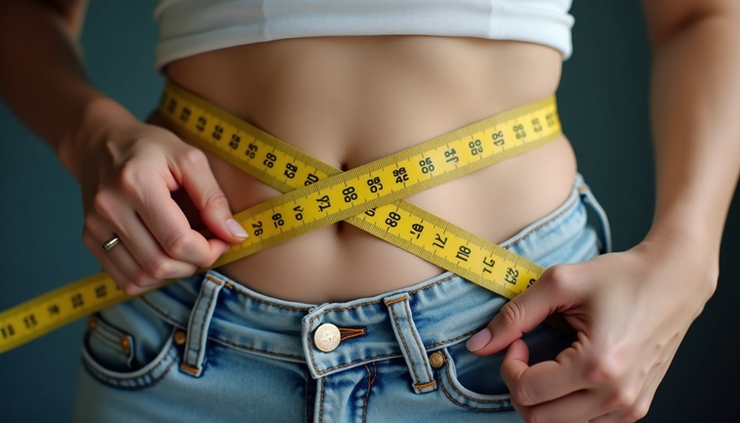
Measuring body inches
Tracking inches lost from key areas like the waist, hips, thighs, and arms gives a clearer picture of fat loss and muscle gain.
Use a soft measuring tape.
Measure the same spot each time (mark it lightly with a skin-safe marker if needed).
Take measurements every two weeks.
Record the numbers to compare over time.
This method is particularly helpful when weight loss slows but your clothes feel looser or your body shape changes.
Monitoring Calorie Intake and Food Choices
Weight loss depends on creating a calorie deficit, meaning you consume fewer calories than you burn. However, not all calories are equal. The quality of your diet affects energy levels, hunger, and overall health.
Why track calories?
Ensures you are eating the right amount to lose weight without starving yourself.
Helps balance macronutrients (protein, carbs, fats) for better satiety and muscle preservation.
Reveals hidden calories from snacks, drinks, or condiments.
Supports adjustments if weight loss stalls.
Keeping an accurate food diary
Writing down everything you eat and drink is one of the most effective ways to track calorie intake.
Use apps or a notebook to log meals and snacks.
Include portion sizes and cooking methods.
Note times of eating to identify patterns like late-night snacking.
Track water intake as hydration supports metabolism.
Tracking food also helps spot unhealthy habits, such as relying on processed foods or sugary drinks, which can sabotage weight loss efforts.
Using Progress Tracking to Adjust Your Plan
Tracking progress is not just about collecting data. It’s about using that information to make smarter decisions.
If weight loss slows, check your calorie intake and activity levels.
If inches lost but weight stays the same, focus on strength training to build muscle.
If hunger is a problem, consider foods higher in protein and fibre.
If you are on GLP-1 medications like Mounjaro or Wegovy, tracking helps monitor side effects and effectiveness.
Regularly reviewing your progress allows you to tweak your diet, exercise, or medication under professional guidance.

Practical Tips for Successful Progress Tracking
Set realistic goals: Aim for steady weight loss of 0.5 to 1 kg per week.
Be consistent: Track at the same times and days for reliable data.
Celebrate small wins: Reward yourself for milestones like losing 5 kg or dropping a clothing size.
Use technology: Apps can simplify tracking weight, measurements, and calories.
Seek support: Share your progress with friends, family, or support groups.
Stay patient: Weight loss is a journey with ups and downs.
Tracking progress is a powerful tool that complements any weight loss method, whether you rely on diet changes, exercise, or medications like GLP-1 agonists.
Tracking your weight loss journey is essential for staying motivated, understanding your body, and making informed choices. By monitoring weight, body measurements, calorie intake, and food quality, you gain control over your progress and can adjust your plan when needed. Whether you are using traditional methods or newer options like Mounjaro or Wegovy, progress tracking helps you stay on course and achieve lasting results. Start tracking today and take the next step towards your weight loss goals.

